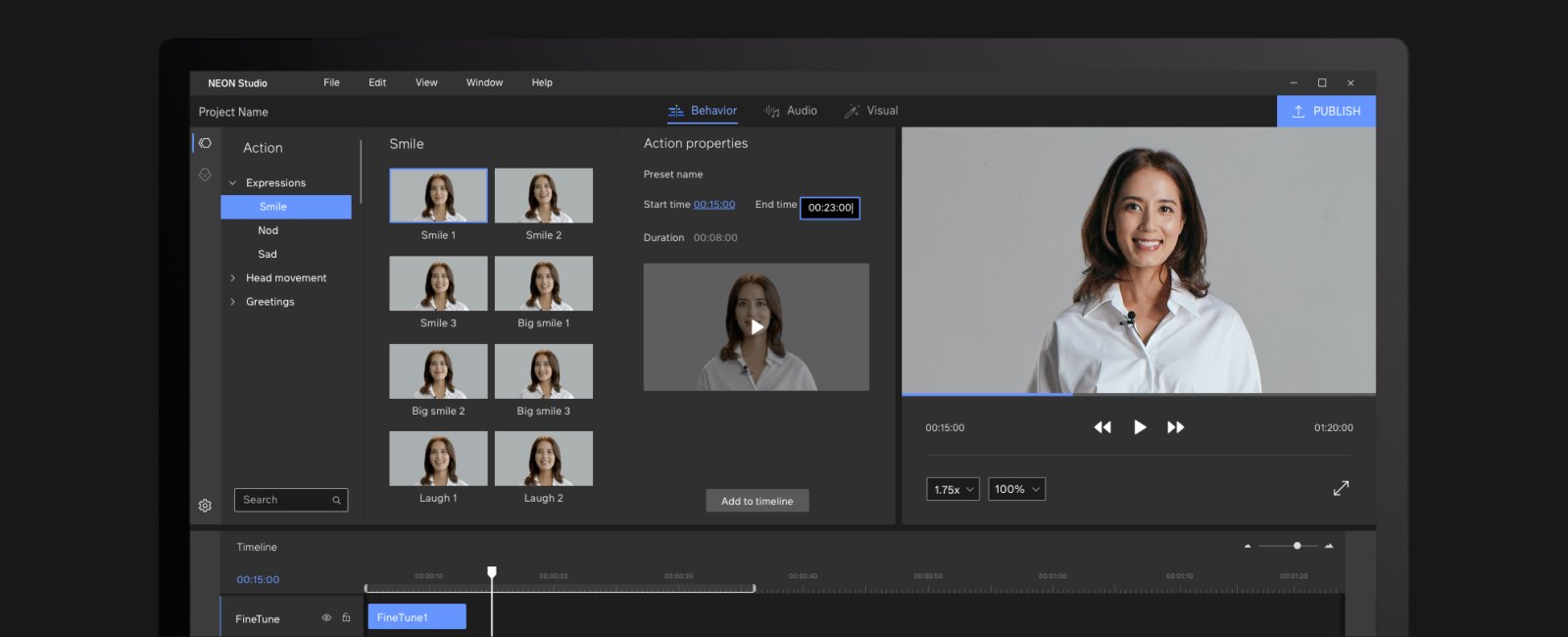
Portrait Rights in the Age of AI have become one of the most important topics in today’s digital world. For many years, only photographers, filmmakers and advertising companies worried about using someone’s face legally. But now, AI tools that can create synthetic humans, deepfake videos, realistic digital twins that look like a real person. But the question is: Who controls your face in the age of AI? Today, AI can copy faces from a single image and can create a new digital version which can talk, move, smile and act. This raises serious concerns about Can someone use face without consent to create a synthetic human? Because of this, countries and states are slowly building laws to protect people. In the US, some states such as California, Illinois, New York and Texas have special laws that protect face, voice and likeness.
Portrait Rights in the Age of AI
Portrait Rights in the Age of AI refer to the rules and protections that control how a face, image and identity can be used in digital and AI generated content. As AI tools become more powerful, it has become easier to create synthetic humans. This includes deepfakes, digital doubles and AI Avatars that look extremely similar. Because synthetic humans look so natural, many people worry that their face might be used without their consent. For example: a brand could create an AI model that looks like a real person without hiring them. A fake video could show someone saying or doing something they never did. Criminals could misuse faces to create identity fraud. Celebrities could be digitally recreated without their approval. All these situations lead to one question i.e. Who owns your face in the AI world?

Who Owns Your Face In the Digital AI Era – Overview
| Post Title | Portrait Rights in the Age of AI |
| Portrait Rights? | Rules about who can use your face, image or likeness |
| Synthetic Humans? | AI Generated Face or Digital Avatar that made to look real |
| Main Concern | Can someone use your face to make an AI Generated Avatar |
| Legal Protection | Some Countries and States have legal protection against it |
| Watermarking | A digital mark that is added to AI Generated Photo |
| NIL Contracts | A contract that decides how face, voice and identity can be used |
| Target Audience | General Readers, Students, Creators, Influencers, Media professionals |
| Post Category | Technology |
Portrait Rights & Artificial Intelligence
Portrait Rights are the rights to control how the face, image and the identity can be used. Because the AI can now generate synthetic humans and deepfake versions of real people, portrait rights are becoming more important for everyone. In short, portrait rights can protect you from your face being used without your permission in:
- Photos
- Videos
- Advertisements
- AI Generated Avatars
- Deepfake clips
- Synthetic Human models
These rights help to decide how, where and by whom your face can be used. In the United states, some states have laws that protect name, image, voice and likeness from being used without consent. These rules are meant to stop companies, creators and AI systems from misusing real people’s faces for commercial or creative purposes without approval. AI Companies are also adding practices such as watermarking to help in identifying AI generated images and many creators now use NIL agreements to protect their identity when working with digital media.
Can Synthetic Humans Use Your Face?
Synthetic humans are AI Generated people who look real but are created completely by computers. Since AI can produce faces that look almost identical to real human beings, a major question comes up: Can a synthetic human use your face?
The clear answer is: Not without your permission.
If someone takes your photo or scans your face to create an AI Generated version of you then they must get your approval. Using your likeness without consent can be considered a misuse of identity.
- NIL Contracts: A NIL i.e Name, Image, Likeness contract clearly states how a face can be used, whether a digital version can be created or not, what type of content is allowed and how long the rights last. This protects actors, influencers, athletes and even everyday people.
- Watermarking: Some AI Tools add a digital mark to show that a face or image was generated with the help of AI. This makes it easier to spot when a synthetic human is not a real person and this reduces the chance of someone pretending to be you.
- Consent is Necessary: If a person or a company wants to create an AI Avatar that looks like you then they first ask you for it and without consent, it may lead to legal or ethical issues.
FAQs Related To Portrait Rights in the Age of AI
Can AI Legally Use My Face?
No, AI can only use your face if you give permission. In many countries, using your face without consent is illegal.
What if someone uses my face in an AI Video without asking me?
If someone uses your face in an AI video then you can report it, request to remove it and take legal action under the privacy or publicity rights.
What is a NIL Contract?
A NIL Contract is an agreement that controls how the name, face, voice and likeness can be used.
What is Watermarking in AI?
A Watermarking in AI is a hidden digital mark that can be added to AI Generated images or videos to show that they are not real.