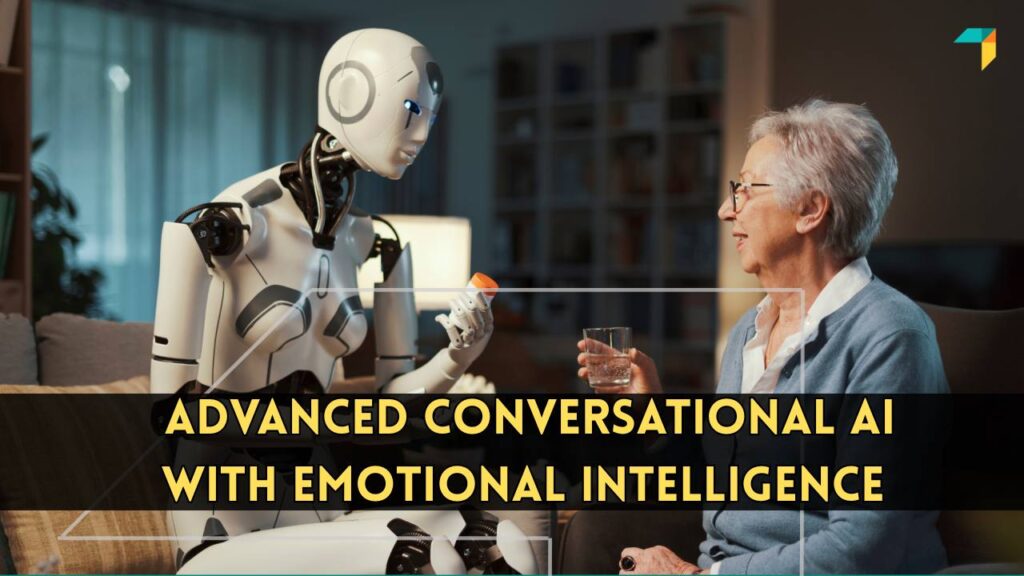
Advanced Conversational AI is transforming the way people interact with technology. Instead of short, robotic responses, modern AI systems can now understand the long conversations, remember context and can respond with emotional intelligence. This means that AI can detect how a person feels, adjusts its tone and communicates in a way that feels more human and supportive. These Advanced AI capabilities are opening new possibilities in customer service, coaching and education. Organizations and individuals are now relying on conversational AI to resolve problems, guide decisions and improve learning experiences.
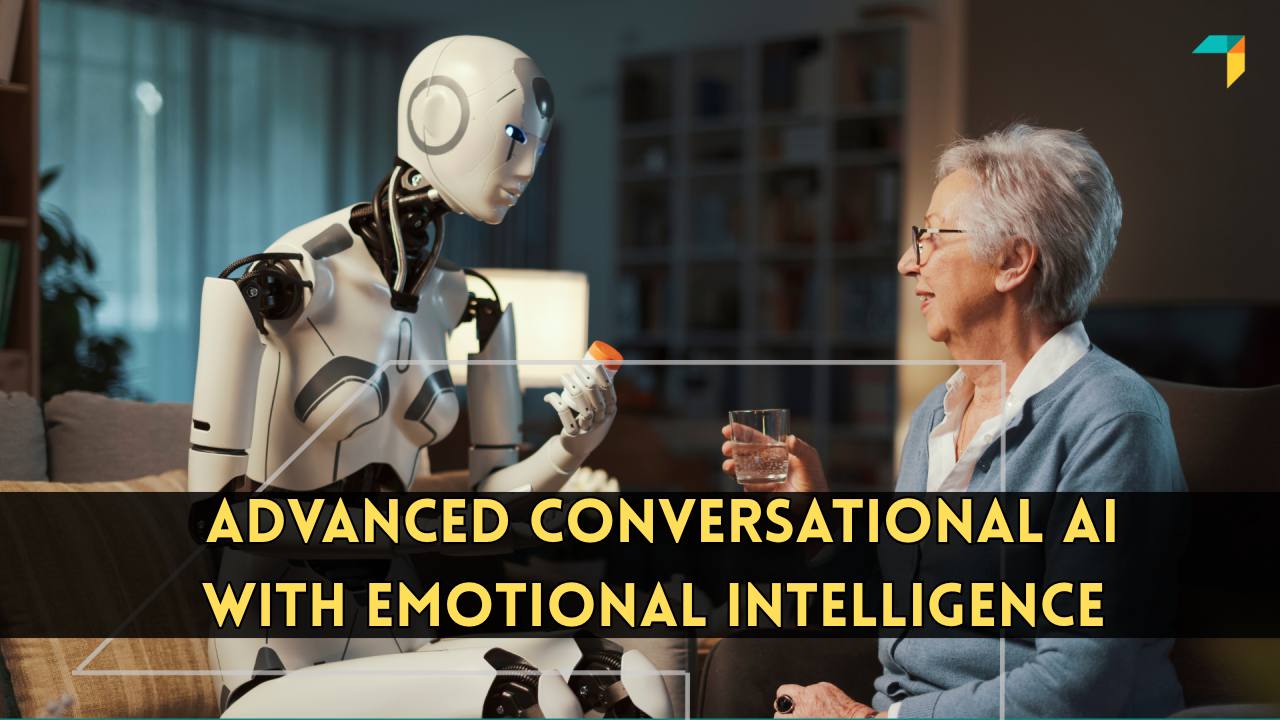
Advanced Conversational AI with Emotional Intelligence
Conversational AI with emotional intelligence has moved far beyond chatbots. Today’s AI systems can handle extended conversations, track complex details, understand emotions and respond naturally. This deep level of interaction comes from large language models, emotional recognition tools, and natural language processing. Businesses use these systems to give customers instant and accurate answers. Coaches use them to provide motivation and guidance. Educators use these systems to explain concepts in multiple ways. With emotional intelligence, the AI adjusts responses when a user sounds frustrated, confused, confident or excited.
Conversational AI + Emotional Intelligence – Overview
| Post Title | Advanced Conversational AI with Emotional Intelligence |
| How Does It Work? | It uses NLP, Emotional Analysis, AI modeling, NLU to produce human like long context dialogues |
| Key Components | User Interface, Speech recognition, NLP, NLU, AI Modeling, Natural Language Generation, Adaptive Responses |
| Benefits | Better customer support, personalized coaching, improved learning experience, emotional awareness, efficiency, scalability |
| Challenges | Data privacy, Emotional Misinterpretation, cost, training quality, ethical concerns |
| Technologies Used | Language Models, Machine Learning, Speech Recognition, Sentiment Analysis, Cloud Computing |
| Post Category | Technology |
What Is Advanced Conversational AI with Emotional Intelligence?
Advanced Conversational AI with Emotional Intelligence refers to AI systems that can understand human emotions, tone and long conversations. Instead of giving short robotic answers, the AI listens closely to what the user says, identifies emotional cues like stress or confusion and responds in a supportive and meaningful way. These systems also keep track of long discussions. This means that AI remembers important details from earlier messages and connects them to the new information and keeps the conversation consistent. This ability makes the AI behave more like a human assistant.
How Advanced Conversational AI Works?
- User Interface: The AI system includes a system where people can communicate by typing or speaking. The user types messages directly by text input and if the user speaks then AI converts spoken words into text via Automatic Speech Recognition.
- Natural Language Processing: NLP breaks down the text into meaningful pieces. It analyzes grammar, keywords, tone and structure so that AI can understand what the user is trying to say.
- Natural Language Understanding: NLU focuses on the deeper meaning. It identifies the user intent, finds emotions, detects context and recognises hidden needs or confusion.
- AI Modeling & NLG: Once the system understands the message, it uses AI modeling to create the best response. NLG then turns that response into clear, natural language that sounds like a human.
Rise of Conversational AI in Key Sectors
Long context conversational AI is now used in many areas where communication and emotional understanding are needed. The three main sectors which benefits the most are:
Customer Service: AI handles long conversations, solves issues faster and reduces wait times. It supports customers with patience and empathy.
Coaching: AI guides users through personal goals, motivation, mental wellness and professional development.
Education: Students can get personalized explanations, practice questions, get emotional support and long term assistance across difficult subjects.
FAQs Related To Advanced Conversational AI with Emotional Intelligence and Long‑context Dialogue for Customer service, Coaching, and Education
Why is Emotional Intelligence important in Conversational AI?
Emotional Intelligence is important in Conversational AI because it helps AI to respond in a supportive and human-like manner and this improves the trust and communication quality.
Can Conversational AI handle long discussions?
Yes, Conversational AI systems can handle long discussions as modern AI can now remember earlier messages.
Where is the Emotional AI used the most?
Emotional AI is widely used in customer support services, coaching platforms and education apps.
Does Conversational AI replace Human workers?
No, Conversational AI does not replace human workers but it supports them by handling routing tasks, emotional situations.
What technologies are used to make Conversational AI with Emotional Intelligence?
Language Models, Machine learning, memory systems, NLP, NLU, Emotional recognition are some of the technologies that are used to make Conversational AI with Emotional Intelligence.