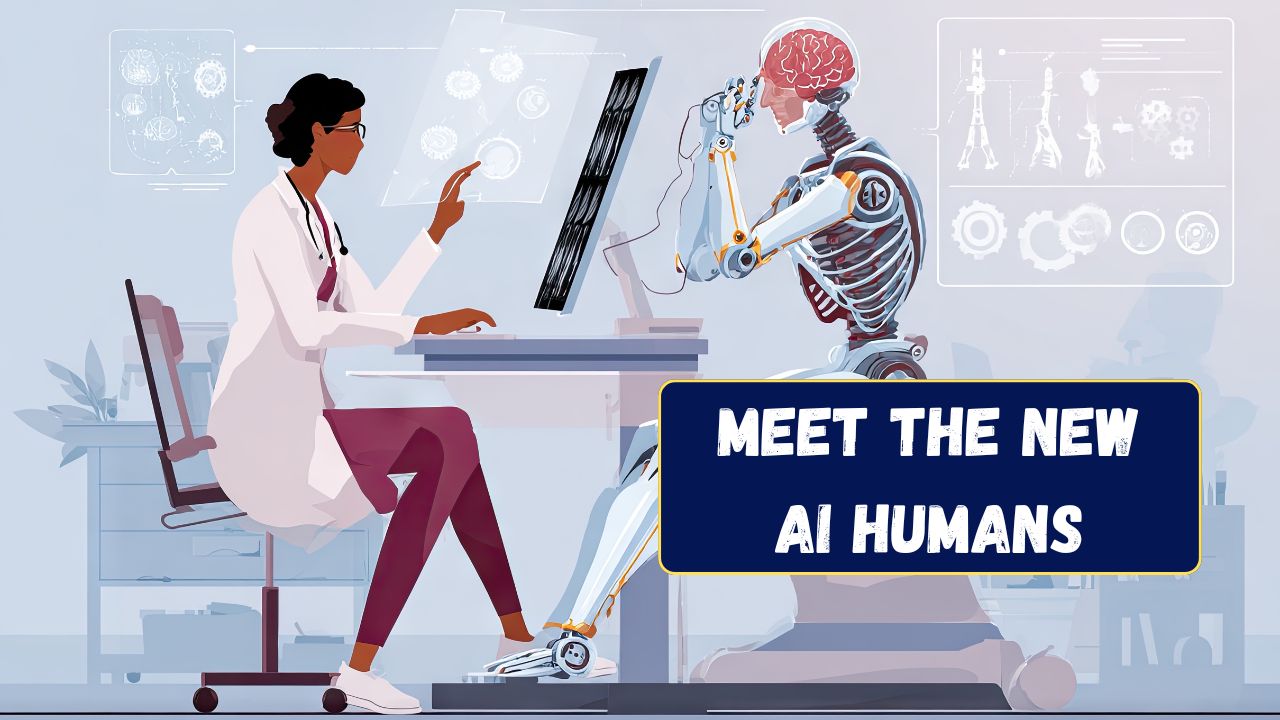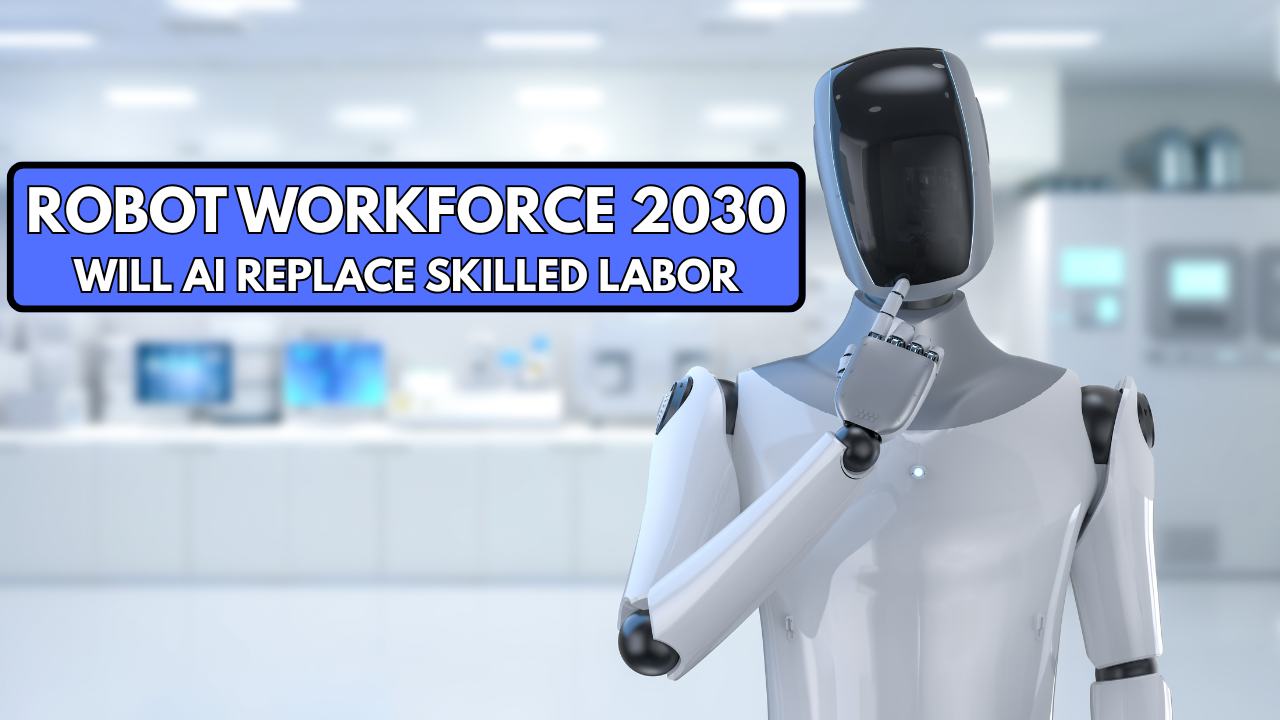
The workplace is changing faster than ever and the idea of the Robot Workforce 2030 represents a future where humans and intelligent machines work together in everyday jobs. This shift is not just about replacing people but it’s about creating a balanced system where robots handle repetitive work or high volume tasks and the humans focus on creativity, leadership, judgement and emotional connection. By the year 2030, every job role or occupation will see a skill shift due to AI.
Robot Workforce 2030
The Robot Workforce 2030 describes a future where intelligent machines become natural partners in the workplace. This means that jobs will change but the value of human ability will not disappear. Machines will take care of the tasks that require speed, repetition, calculation or monitoring. Humans will guide the vision, make decisions and handle everything that needs creativity and emotional understanding. Workplaces will not be separated into robots versus people. Instead, both will form an integrated system. Workers will gain freedom from routine tasks and this allows them to focus on roles that require higher thinking. Job titles will evolve and many roles will blend technical and human focused skills.
Robot Workforce Future Workplace 2030 – Overview
| Post Title | Robot Workforce 2030 |
| What is a Robot Workforce? | A future where human and intelligent machines work together by 2030 |
| Technology Used | AI, Automation, Robotics, Sensors & Smart Systems |
| Skills Needed in the Future | Digital Literacy, Creativity, Problem Solving, Communication & Adaptability |
| Impact on Jobs | Jobs evolve into hybrid roles where humans use AI tools daily |
| Benefits for Companies | Faster production, fewer errors, cost savings, higher productivity |
| Benefits for Workers | Reduced routine tasks, more focus on creativity and meaningful work |
| Challenges | Skills gap, worker fear, ethics, privacy, job redesign, cultural shift |
| Post Category | Technology |
Future Workforce Transformation 2030
The future of work is moving toward a coordinated system where people, digital agents and robots operate together. As AI becomes stronger, these agents and machines can act with far more independence and handle tasks that once needed direct human involvement. Current technological capabilities suggest that more than half of today’s work hours in the US could be automated. AI has the potential to influence almost every type of work. Physical tasks lean more on robotics and non physical tasks often involve software agents.
How AI Changes Skills For A Job
As people begin working more closely with AI, human skills will shift and adapt rather than disappear. Employers are becoming more focused on the exact abilities that they want and those expectations continue to change as technology reshapes daily work. AI speeds up this transformation, pushing companies to look for skills that match a more digital and automated environment. Job postings give one of the clearest views of these shifts because they show what employers are actively seeking. Data from millions of postings highlights thousands of skills mentioned across the US Labor market. Across every occupation, at least one major skill is expected to undergo significant change by 2030 and a large share of roles will see more than 105 of their skill requirements shift.
Will AI Replace Skilled Labor?
AI will change many parts of skilled work but full replacement is unlikely. Most skilled jobs involve judgement, creativity and communication that machines cannot fully replicate. AI can take over routine or repetitive tasks which may reduce the time humans spend on basic activities. But skilled roles often require decision making, problem solving in unpredictable situations and emotional understanding. Some tasks inside skilled jobs will shift to automation but the core of these professions will continue to rely on human experience and insight. Instead of removing skilled workers, AI is more likely to reshape what their daily work looks like. People may use AI tools to work faster or to analyze information or to manage complex systems. AI will transform skilled labour but human workers will remain essential for responsibilities that demand creativity, adaptability, thought and personal connection.
FAQs Related To Robot Workforce 2030
What does Robot Workforce 2030 means?
Robot Workforce 2030 refers to the decade in which workplaces gradually shift toward a mix of human employees, AI Agents and robots working together.
Will robots take most jobs?
Robots may handle repetitive or routine tasks but most jobs will still need human judgement, creativity and communication.
What skills will become more important?
Communication, problem solving, leadership, digital literacy and AI fluency are skills that will become more important.
Will every industry see changes with the Robot Workforce?
Yes, every industry will see changes with the Robot Workforce but the impact will differ. Some fields will adopt automation quickly and others will introduce it more slowly.